
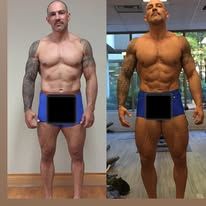
Do your workouts feel harder than they used to? Are you sleeping enough but still waking up tired? Many people think this is just part of getting older. However, that is not always true. Your sleep, stress levels, eating habits, training routine, and hormones all play a role in how you feel. This is why TRT performance management has become an important topic for people who want to improve their energy, strength, and recovery without relying on guesswork.
Low Energy Is Not Always About Age
Many people notice a drop in energy as the years go by. You may feel tired during the day. You may lose motivation to train. Even simple tasks can feel harder than they once did. While age can be a factor, it is not always the only reason.
Your body depends on several systems working together. Hormones are one part of that system. When they are not functioning at their best, you may notice changes in energy, focus, and overall performance. Understanding what is happening inside your body can help you make smarter health decisions instead of simply accepting low energy as your new normal.
The good news is that low energy is often linked to factors you can improve. Better sleep habits, regular exercise, stress management, and proper nutrition can all make a difference. When you take a closer look at your overall health, you may discover opportunities to improve your daily energy and quality of life.
Your Hormones Help Support Strength
Strength is about much more than lifting weights. It is about how well your body responds to training. It is also about how well you recover between workouts. If recovery slows down, progress often slows down too.
Hormones help support muscle maintenance and physical performance. They work behind the scenes every day. When combined with proper training and healthy habits, they can help your body perform more efficiently. That is why many people take a closer look at hormonal health when they are struggling to maintain strength despite consistent effort in the gym.
Think about it this way. You can follow the best training program in the world, but your body still needs the ability to recover and adapt. When all the pieces work together, you are more likely to see steady progress and maintain your strength over the long term.
Recovery Is Where Real Progress Happens
Most people focus on the workout itself. The truth is that progress happens after the workout ends. Your body needs time to repair, rebuild, and prepare for the next challenge.
Poor sleep, high stress, and poor nutrition can make recovery much harder. You may feel sore longer. Your performance may drop. You may even lose motivation to train. This is one reason many people exploring TRT coaching Vancouver are also looking for guidance on recovery, sleep habits, and lifestyle improvements. A complete plan often produces better results than focusing on a single factor alone.
Recovery is not just about taking a day off from the gym. It is about giving your body the support it needs to perform well tomorrow. Quality sleep, proper hydration, and balanced nutrition all play an important role. Many people are surprised to find that improving recovery habits can boost energy, improve workout performance, and help them feel better throughout the day.
Healthy Habits Still Matter Every Day
Here is the thing. No health strategy works well without strong daily habits. You cannot outwork poor nutrition. You cannot make up for a lack of sleep with extra effort in the gym.
Think of your body like a car. Even the best engine needs fuel and maintenance. The same idea applies to your health. Eating balanced meals, staying active, managing stress, and getting quality sleep all support your ability to perform at your best. These habits also help create a stronger foundation for long-term wellness.
It is important to remember that lasting health is built one day at a time. There is no shortcut around consistency. The people who achieve long-term success are often the ones who stick with simple habits. They focus on movement, healthy food choices, stress management, and routines they can maintain. These actions may seem small, but they often create the biggest results over time.
Small Changes Often Lead to Big Results
Many people believe they need a complete life makeover to feel better. In reality, small changes can make a big difference. Going to bed earlier, improving food choices, staying consistent with training, and paying attention to recovery can all add up over time.
An experienced coach helps you focus on the right steps instead of chasing trends. More importantly, they help you stay consistent. After all, consistency beats perfection every time. The goal is not to be perfect. The goal is to keep moving forward.
Over the years, many people have spent months searching for complicated solutions when the answer was much simpler. Better habits, smarter training, improved recovery, and a clear plan often lead to meaningful progress. Small wins may not seem exciting at first, but they create momentum. When repeated consistently, those small wins can transform your health, performance, and confidence.
Final Remarks
Better energy, greater strength, and faster recovery rarely come from a single solution. They come from understanding how different parts of your health work together. Responsible TRT performance management should always be viewed as part of a bigger picture that includes quality nutrition, regular exercise, healthy recovery habits, and long-term lifestyle changes. When these areas improve together, you give yourself the best chance to feel stronger, healthier, and more capable every day. The goal is not simply to perform better today. It is to build habits and strategies that support your health, resilience, and quality of life for years to come.